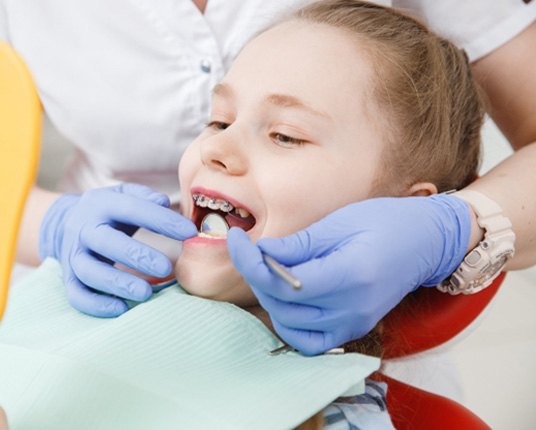
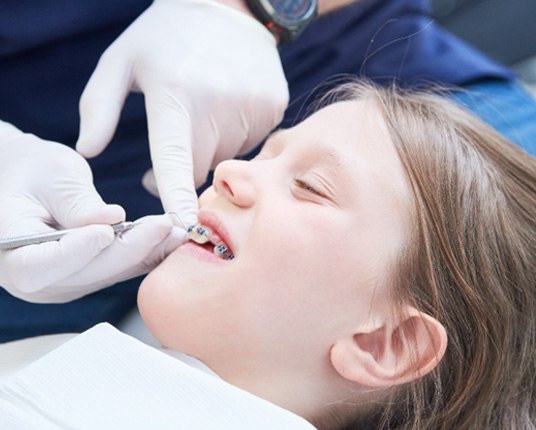
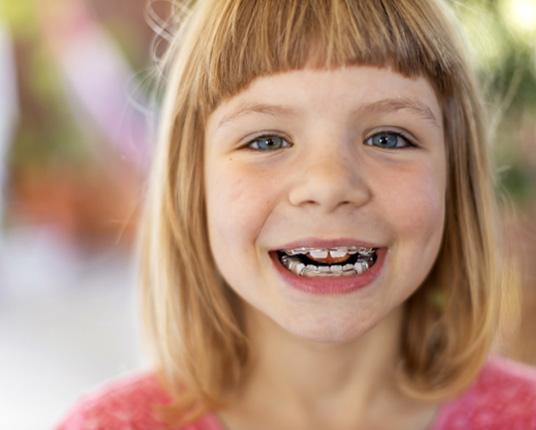
Beginning orthodontic treatment early can make a huge difference in the overall well-being of your child’s smile. That’s why it is recommended that children and parents attend a Phase 1 Orthodontics consultation before kids turn 7. This way, we can examine their smile to detect any developmental issues and form a plan to have their smile treated as soon as possible. To schedule a consultation for your child, give us a call!
How Phase 1 Orthodontics Works
Phase 1 Orthodontics – also commonly called “interceptive orthodontics,” is specifically designed to guide the development of the teeth and jaw as your child grows. Every treatment plan is entirely customized to your child’s unique smile. It may include an expander, space maintainer, short-term braces, or a combination of multiple treatments to put your child on track toward a healthy, beautifully aligned smile.
Generally speaking, Phase 1 Orthodontics lasts between 10 and 14 months, but the length of this treatment plan will depend on the changes that need to be made. Once your child has completed Phase 1 treatment, we will continue to monitor their growth and development. If necessary, Phase 2 orthodontics will begin soon after all of the permanent teeth have erupted.
Who Is a Good Candidate for Phase 1 Orthodontics
Not every child is in need of interceptive orthodontics, but some significantly benefit from it. That’s what makes your child’s consultation so important. It is typically recommended for children who have:
- Difficulty chewing
- Trouble speaking clearly
- Overcrowded teeth
- Spaced-out teeth
- Protruding teeth
- A disproportionate jaw
The Benefits of Phase 1 Orthodontics
There are numerous benefits children can experience thanks to interceptive orthodontics. Here are some of the most prominent ones:
- Shorter Treatment Time: When a child undergoes Phase 1 Orthodontics, they usually require less orthodontic care in the long run. This helps parents and patients to save time and money!
- Improved Confidence: Straightening the teeth can help children feel more confident when showing off their smiles. This can make a huge difference in their mental health as they grow up and beyond.
- Easier Function: Aligning the teeth early on will help to promote proper development. This will help your child to eat, speak, and smile as comfortably as possible.
Phase 1 Orthodontics FAQs
When Does Phase 1 Orthodontics Take Place?
The best time for Phase 1 Orthodontics in Hamilton is generally when a child is 6 – 9 years old. During this period, kids often have a mixture of baby and adult teeth. Oral appliances can be used to guide oral growth and help the permanent teeth to thrive.
Because timing is very important for Phase 1 Orthodontic care, the American Association of Orthodontists recommends that all children undergo a thorough orthodontic evaluation by the time they are 7 years old.
What Appliances Are Used in Phase 1 Orthodontics?
Phase 1 Orthodontics can use a number of different appliances. For example:
- A palatal expander can be used to widen the upper dental arch and create more space for incoming teeth.
- A space maintainer may be used if a child loses a baby tooth too early. This device preserves the space left by the tooth so the adult teeth can develop properly.
- Limited braces are used in cases where more severe alignment issues exist.
- Retainers are used to maintain the results of Phase 1 Orthodontics.
During your child’s consultation, we can talk about the specific appliances that may be useful in their case.
Is Phase 1 Orthodontics Painful?
We strive to make placement of orthodontic appliances as easy and painless as possible. However, some appliances can cause a degree of discomfort when they are in the mouth. After all, orthodontic treatment works by applying pressure to the oral tissues!
Any discomfort that your child experiences should be temporary, and it is likely to be at its worst in the days following an adjustment to their treatment. You can help them through these periods by providing soft, cool foods. You may also provide age-appropriate doses of pain medication.
Keep in mind that delaying treatment could allow your child’s orthodontic issues to worsen, which could end up causing them more pain in the long run.
Does Phase 1 Orthodontics Affect Diet & Nutrition?
If your child has a removable appliance, they can take it out at mealtimes and enjoy all of their favorite foods and snacks. They should clean their teeth and rinse their appliance before putting it back in their mouth.
If their appliance is fixed in their mouth, some dietary restrictions might be necessary. For example, kids with braces should avoid hard and crunchy foods that might damage their braces or get stuck around their brackets and wires.
Our team can provide specific dietary guidance for your child when they come to visit us.
What Changes Should My Child Make While Wearing Braces?
In addition to making certain dietary adjustments, your child will have to make some other small changes while wearing braces. For example, they will need to be extra-diligent about oral hygiene. You may need to help them make sure they adequately clean around their brackets and wires. You should also send them to school with an oral hygiene kit so they can clean their smile after lunch.
Additionally, your child may need to get into the habit of wearing a mouthguard while playing sports. This can prevent damage to the braces and help to keep their treatment on track.